A Review: Role of Silkworm (Tubifex Tubifex Müller, 1774) as Bioremediator in Freshwater Ecosystem
DOI:
https://doi.org/10.22452/mjs.vol45no1.9Keywords:
Biology, Bioremediator, Metabolic Compound, Role, Tubifex.Abstract
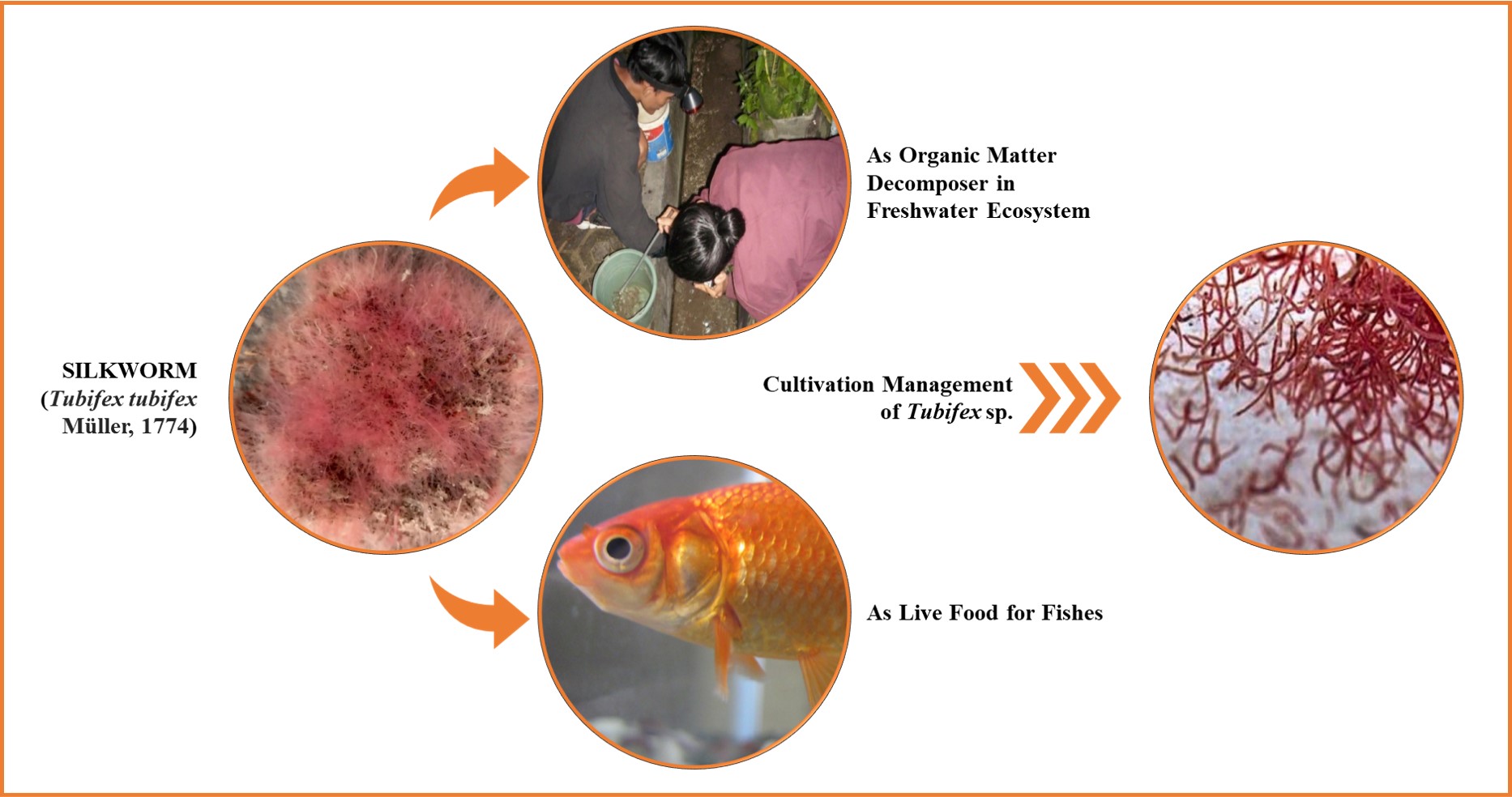
Tubifex tubifex Müller, 1774 is an oligochaete that is extensively dispersed, in particular in freshwater ecosystem and plays an important role in the ecosystem. It is one of natural or live feed for aquatic organism in the nature or cultivation media. Furthermore, T. tubifex could be a reasonable living being for the inquire about of the organic impact of different contaminations due to its capacity to decompose matter as well as accumulate the metals or chemical pollutants. This review aimed to elaborate the information about the biology of T. tubifex and its role, focused on its ability as decomposer in freshwater ecosystem. In the arrangement of this paper, many relevant scientific articles were cited. This paper examined the biology of T. tubifex (i.e., morphology, chaetae, segmentation, respiratory, reproduction, and habitat of Tubifex) and also the role of Tubifex as bioremediator. This review informed that Tubifex has reddish color due to the presence of erythrocruorin. As a group of clitellates, Tubifex has clitellum at segments X, XI, and XII. Furthermore, as a group of oligochaetes, it has chaetae that play important role for burrowing, hooking to the substrate, swimming, crawling, and bioturbating. Tubificidae have capability of autotomization (autotomy) and regeneration of its missing body part. T. tubifex spends its whole life cycle within the substrate with head down within the substrate, whereas part of its posterior may extend over the water column-substrate interface. T. tubifex develop a mixed reproductive strategy, a self-fertilization or parthenogenesis (pseudogamy), and hermaphrodite. Tubifex is a meiobenthic species of aquatic worm and an important key for organic matter decomposition, heavy metal or chemical substances reduction and detoxification. It can do vermicomposting to organic matter and also accumulate chemical substances by its metabolic compound like superoxide dismutase enzyme, catalase enzyme, carboxylesterase enzyme, glutathione-S-transferase enzyme, and metallothionein enzyme.
References
Acosta V G M., Arellano-Carbajal F., Gillen K., Tweeten K A., Zattara E E. (2021). It cuts both ways: an annelid model system for the study of regeneration in the laboratory and in the classroom. Frontiers in Cell and Developmental Biology 9: 780422.
Akbar L O A., Muskita W H., Idris, M. (2016). Pengaruh substrat media terhadap biomassa cacing sutera (Tubifex sp.) yang dibudidayakan dengan sistem resirkulasi tertutup. Media Akuatika1: 175-185.
Alam MD A., Khan M A., Sarower-E-Mahfuj, MD., Ara Y., Parvez I., Amin M N. (2021). A model for tubificid worm (Tubifex tubifex) production and its effect on growth of three selected ornamental fish. Bangladesh Journal of Fisheries 33(2): 205-214.
Aller R C. (1983). The importance of the diffusive permeability of animal burrow linings in determining marine sediment chemistry. Journal of Marine Research 41: 299-322.
Aller R C., Cochran J K. (2019). The critical role of bioturbation for particle dynamics, priming potential, and organic C remineralization in marine sediments: local and basin scales. Frontiers in Earth Science 7: 157.
Amon R M., Herndl G J. (1991). Deposit Feeding and Sediment: I. Interrelationship between Holothuria tubulosa (Holothurioida, Echinodermata) and the sediment microbial community. Marine Ecology 12(2): 163-174.
Anita P., Widiastuti I M. (2021). Biomass and nutritional content of silk worms (Tubifex sp.) on the substrate of germented chicken manure. Jurnal Ilmiah AgriSains 22(2): 106-113.
Anlauf K J., Moffitt C M. (2008). Models of stream habitat characteristics associated with tubificid populations in an intermountain watershed. Hydrobiologia 603: 147-158.
Ardana P P N., Abidin Z., Diniarti N. (2018). Pemanfaatan limbah budidaya ikan untuk peningkatan pertumbuhan biomassa cacing sutra (Tubifex sp.). Jurnal Perikanan Unram 8(1): 55-64.
Arrate J A., Rodriguez P., Martinez-Madrid M. (2004). Tubifex tubifex chronic toxicity test using artificial sediment: methodological issues. Limnetica 23(1-2): 025-36.
Aston R J. (1973). Tubificids and water quality: a review. Environmental Pollution 5(1): 1-10.
Astutik L W., Zulaika E. (2015). Medium yang mengandung logam Pb. Jurnal Sains dan Seni ITS 4(1): 1-4.
Balavoine G. (2014). Segment formation in Annelids: patterns, processes and evolution. International Journal of Developmental Biology 58: 469-483.
Baldo L., Ferraguti M. (2005). Mixed reproductive strategy in Tubifex tubifex (Oligochaeta, Tubificidae)?. Journal of Experimental Zoology Part A: Comparative Experimental Biology 303(2): 168-177.
Beauchamp K A., Kathman R D., McDowell T S., Hedrick R P. (2001). Molecular phylogeny of tubificid oligochaetes with special emphasis on Tubifex tubifex (Tubificidae). Molecular Phylogenetics and Evolution 19(2): 216-224.
Begum M., Noor P., Ahmed K N., Sultana N., Hasan Md R., Mohanta L C. (2014). Development of a culture techniques for Tubificid worm, under laboratory conditions. Bangladesh Journal of Zoology 42(1): 117-122.
Bely A E. (2006). Distribution of segment regeneration ability in the Annelida. Integrative and Comparative Biology 46(4): 508-518.
Bely A E. (2014). Early events in annelid regeneration: a cellular perspective. American Zoologist 54(4): 688-699.
Benbow M E. (2009) Annelida, Oligochaeta and Polychaeta. In: Gene E. Likens, (Editor) Encyclopedia of Inland Waters. volume 2, pp. 124-127 Oxford: Elsevier.
Bertness M D., Leonard G H. (1997). The role of positive interactions in communities: lessons from intertidal habitats. Ecology 78(7): 1976-1989.
Beukeboom L W., Vrijenhoek R C. (1998). Evolutionary genetics and ecology of sperm‐dependent parthenogenesis. Journal of Evolutionary Biology 11(6): 755-782.
Binet F., Fayolle L., Pussard M., Crawford J J., Traina S J., Tuovinen O H. (1998). Significance of earthworms in stimulating soil microbial activity. Biology and Fertility of Soils 27: 79-84.
Blouin M., Zuily-Fodil Y., Pham-Thi A T., Laffray D., Reversat G., Pando A., Tondoh J., Lavelle P. (2005) Belowground organism activities affect plat aboveground phenotype, inducing plant tolerance to parasites. Ecology Letters 8: 202-208.
Bonse N., Hasim H., Tuiyo R. (2021). The effect of chicken manure and tofu dregs on biomass growth of silkworm. Nike: Jurnal Ilmiah Perikanan dan Kelautan 9(2): 33-37.
Bouché M L., Arnoult F., Vernet G. (2003). Caudal regeneration in Tubifex tubifex (Oligochaeta, Tubificidae) following copper exposure. Invertebrate Biology 122(1): 42-51.
Bouché M L., Biagianti-Risbourg S., Vernet G. (1999). A light and scanning electron microscope study of the morphology of the chaetae of Tubifex tubifex in a non-polluted medium. Hydrobiologia 411: 39-44.
Bouché M L., Habets F., Biagianti-Risbourg S., Vernet G. (2000). Toxic effects and bioaccumulation of cadmium in the aquatic oligochaete Tubifex tubifex. Ecotoxicology and Environmental Safety 46(3), 246-251.
Bustami Y., Kurnia K., Supiandi M I. (2019). Diversity of annelids in the Kapuas and Melawi Rivers. Jurnal Biota 5(2): 55-63.
Cariou M., Francois C M., Voisin J., Pigneret M., Hervant F., Volatier L., Mermillod-Blondin F. (2021). Effects of bioturbation by tubificid worms on biogeochemical processes, bacterial community structure and diversity in heterotrophic wetland sediments. Science of the Total Environment 795: 148842.
Chipman A D. (2010). Parallel evolution of segmentation by co‐option of ancestral gene regulatory networks. BioEssays 32(1): 60-70.
Christensen B., Theisen B F. (1998). Phylogenetic status of the family Naididae (Oligochaeta, Annelida) as inferred from DNA analyses. Journal of Zoological Systematics and Evolutionary Research 36(4): 169-172.
Clark R B. (1960). Habituation of the polychaete Nereis to sudden stimuli: II. Biological significance of habituation. Animal Behaviour 8: 92-103.
Clark R B., Tritton D J. (1970). Swimming mechanisms in nereidiform polychaetes. Journal of Zoology 161(2): 257-271.
Clough L M., Lopez G R. (1993). Potential carbon sources for the head-down deposit-feeding polychaete Heteromastus filiformis. Journal of Marine Research 51: 595-616.
Conceição L E., Yúfera M., Makridis P., Morais S., Dinis M T. (2010). Live feeds for early stages of fish rearing. Aquaculture Research 41(5): 613-640.
de Lucas Pardo M A., Bakker M., van Kessel T., Cozzoli F., Winterwerp J C. (2013). Erodibility of soft freshwater sediments in Markermeer: the role of bioturbation by meiobenthic fauna. Ocean Dynamics 63: 1137-1150.
Deng L., Bölsterli D., Kristensen E., Meile C., Su C C., Bernasconi S M., Seidenkrantzf M., Glombitza C., Lagostina L., Hana X., Jørgenseng B B., Røyg H., Lever M A. (2020). Macrofaunal control of microbial community structure in continental margin sediments. Proceedings of the National Academy of Sciences 117(27): 15911-15922.
Di S., Huang L., Diao J., Zhou Z. (2016). Selective bioaccumulation and elimination of hexachlorocyclohexane isomers in Tubifex tubifex (Oligochaeta, Tubificidae). Environmental Science and Pollution Research 23: 6990-6998.
Dumnicka E., Poznańska M. (2006). Novel polish recordings of rare aquatic Oligochaeta species. Oceanological and Hydrobiological Studies 35(2): 111-120.
Egeler P., Meller M., Roembke J., Spoerlein P., Streit B., Nagel R. (2001). Tubifex tubifex as a link in food chain transfer of hexachlorobenzene from contaminated sediment to fish. In Aquatic Oligochaete Biology VIII: Proceedings of the 8th International Symposium on Aquatic Oligochaeta, held in Bilbao, Spain 18-22 July 2000 (pp. 171-184). Springer Netherlands.
Eisenhauer N., Scheu S. (2008). Earthworms as drivers of the competition between grasses and legumes. Soil Biology and Biochemistry 40(10): 2650-2659.
Erséus C., Gustavsson L. (2002). A proposal to regard the former family Naididae as a subfamily within Tubificidae (Annelida, Clitellata). Hydrobiologia 485: 253-256.
Erséus C., Källersjö M. (2004). 18S rDNA phylogeny of Clitellata (Annelida). Zoologica Scripta 33(2): 187-196.
Erséus C., Källersjö M., Ekman M., Hovmöller R. (2002). 18S rDNA phylogeny of the Tubificidae (Clitellata) and its constituent taxa: dismissal of the Naididae. Molecular Phylogenetics and Evolution 22(3): 414-422.
Fedonkin M. A. (2003). The origin of the Metazoa in the light of the Proterozoic fossil records. Paleontological Research 7: 9-41.
Fowler D J., Goodnight C J. (1965). The Effect of Environmental Factors on the Respiration of Tubifex. American Midland Naturalist 74(2): 418-428.
Foxon G E H. (1936). XL.—Observations on the locomotion of some Arthropods and annelids. Journal of Natural History 18(106): 403-419.
Fridovich I. (1981). Superoxide radical and superoxide dismutases. Annual Review of Biochemistry 64: 97-112.
Galloway T S., Millward N., Browne M A., Depledge M H. (2002). Rapid assessment of organophosphorous/carbamate exposure in the bivalve mollusc Mytilus edulis using combined esterase activities as biomarkers. Aquatic Toxicology 61(3-4): 169-180.
Ganti S. (2018). Vermicomposting. International Journalof Waste Resources 8(2): 1000342.
Gifford S., Dunstan R H., O’Connor W., Koller C E., MacFarlane G R. (2007). Aquatic zooremediation: deploying animals to remediate contaminated aquatic environments. Trends in Biotechnology 25(2): 60-65.
Gillis P L., Dixon D G., Borgmann U., Reynoldson T B. (2004). Uptake and depuration of cadmium, nickel, and lead in laboratory‐exposed Tubifex tubifex and corresponding changes in the concentration of a metallothionein‐like protein. Environmental Toxicology and Chemistry: An International Journal 23(1): 76-85.
Gline S E., Nakamoto A., Cho S J., Chi C., Weisblat D A. (2011). Lineage analysis of micromere 4d, a super-phylotypic cell for Lophotrochozoa, in the leech Helobdella and the sludgeworm Tubifex. Developmental Biology 353(1): 120-133.
Gonzalez S V., Johnston E., Gribben P E., Dafforn K. (2019). The application of bioturbators for aquatic bioremediation: review and meta-analysis. Environmental Pollution: 250: 426-436.
Goto A., Kitamura K., Shimizu T. (1999). Cell lineage analysis of pattern formation in the Tubifex embryo. I. Segmentation in the mesoderm. The International Journal of Developmental Biology 43(4): 317-327.
Goto A., Kitamura K., Shimizu T. (1999). Cell lineage analysis of pattern formation in the Tubifex embryo. I. Segmentation in the mesoderm. The International Journal of Developmental Biology 43(4): 317-327.
Govedich F R., Bain B A., Moser W E., Gelder S R., Davies R W., Brinkhurst R O. (2010). Annelida (clitellata): Oligochaeta, branchiobdellida, hirudinida, and acanthobdellida. In Ecology and classification of North American freshwater invertebrates (pp. 385-436). Academic Press.
Gray J. (1939). Studies in animal locomotion: VIII. The kinetics of locomotion of Nereis diversicolor. Journal of Experimental Biology 16(1): 9-17.
Gusakov V., Dien T D., Tran H Q., Thanh N T H., Huan P T., Ha V T., Dinh C N. (2023). An Annotated Checklist of the Main Representatives of Meiobenthos from Inland Water Bodies of Central and Southern Vietnam—II—Annelid Worms (Oligochaeta and Aeolosomatidae). Water 15(12): 2273.
Gustus R M., Cloney R A. (1973). Ultrastructure of the larval compound setae of the polychaete Nereis vexillosa Grube. Journal of Morphology 140(3): 355-366.
Hallett S L., Atkinson S D., Bartholomew J L. (2005). Countering morphological ambiguities: development of a PCR assay to assist the identification of Tubifex tubifex oligochaetes. Hydrobiologia 543(2005): 305-309.
Hannibal R L., Patel N H. (2013). What is a segment?. EvoDevo 4: 1-10.
Haque M I M., Alam A R U., Akter N., Siddique M A., Sultana M., Hossain M A., Hasan M. (2020). Molecular characterization of ‘tubifex worms’ based on 16S rRNA and cytochrome c oxidase subunit I. Aquaculture Reports 16: 100292.
Hare L., Tessier A., Warren L. (2001). Cadmium accumulation by invertebrates living at the sediment-water interface. Environmental Toxicology and Chemistry: An International Journal 20(4): 880-889.
Hausen H. (2005). Chaetae and chaetogenesis in polychaetes (Annelida). Hydrobiologia 535-536(1):37-52.
Herawati V E., Hutabarat J., Radjasa K O. (2020). Growth performance of tilapia (Oreochromis niloticus Linnaeus, 1758) larvae with feeding Tubifex tubifex (Müller, 1774) from different fermentation of animal manures. Iranian Journal of Fisheries Sciences 19(4): 2039-2052.
Hertika A M S., Arfiati D., Lusiana E D., Putra R B. (2023). Performance of metallothionein biomarker from Sulcospira testudinaria to assess heavy metal pollution in the Brantas River Watershed, Indonesia. Journal of Ecological Engineering 24(3): 276–286.
Hertika A M S., Kusriani K., Indrayani E., Yona D., Putra R B D S. (2019). Metallothionein expression on oysters (Crassostrea cuculata and Crassostrea glomerata) from the southern coastal region of East Java. F1000Research 8: 56.
Hesselberg T., Vincent J F V. (2006). A comparative study of the functional morphology of parapodia and setae in nereids (Polychaeta: Nereididae). Animal Biology 56(1): 103-120.
Hill S D., Saglam N., Shain D H. (2018). Reproduction in the Annelida. Encyclopedia of Reproduction 6: 526-532.
Hirao Y. (1965). Cocoon formation inTubifex, with its relation to the activity of the clitellar epithelium. Journal of the Faculty of Science 15: 625-632.
Hou Y., Li B., Feng G., Zhang C., He J., Li H., Zhu J. (2021). Responses of bacterial communities and organic matter degradation in surface sediment to Macrobrachium nipponense bioturbation. Science of the Total Environment 759: 143534.
Hurley R R., Woodward J C., Rothwell J J. (2017). Ingestion of microplastics by freshwater tubifex worms. Environmental Science & Technology 51(21): 12844-12851.
Ighodaro O M., Akinloye O A. (2018). First line defence antioxidants-superoxide dismutase (SOD), catalase (CAT) and glutathione peroxidase (GPX): Their fundamental role in the entire antioxidant defence grid. Alexandria Journal of Medicine 54(4): 287-293.
Isaeva V V., Kasyanov N V. (2021). Symmetry transformations in metazoan evolution and development. Symmetry 13(2): 160.
Iyer R G., Rogers D V., Levine M., Winchell C J., Weisblat D A. (2019). Reproductive differences among species, and between individuals and cohorts, in the leech genus Helobdella (Lophotrochozoa; Annelida; Clitellata; Hirudinida; Glossiphoniidae), with implications for reproductive resource allocation in hermaphrodites. PLoS One 14(4): e0214581.
Jackson M B., Colmer T D. (2005) Response and adaptation by plants to flooding stress. Annals of Botany 96: 501-505.
Kaeser A J., Sharpe W E. (2006). Patterns of distribution and abundance of Tubifex tubifex and other aquatic oligochaetes in Myxobolus cerebralis enzootic areas in Pennsylvania. Journal of Aquatic Animal Health 18(1): 64-78.
Kang Y., Xie H., Zhang J., Zhao C., Wang W., Guo Y., Guo Z. (2018). Intensified nutrients removal in constructed wetlands by integrated Tubifex tubifex and mussels: Performance and mechanisms. Ecotoxicology and Environmental Safety 162: 446-453.
Kang Y., Zhang J., Xie H., Guo Z., Li P., Cheng C., Lv L. (2016). Enhancement of the performance of constructed wetlands for wastewater treatment in winter: the effect of Tubifex tubifex. RSC Advances 6(41): 34841-34848.
Kang Y., Zhang J., Xie H., Guo Z., Ngo H H., Guo W., Liang S. (2017). Enhanced nutrient removal and mechanisms study in benthic fauna added surface-flow constructed wetlands: The role of Tubifex tubifex. Bioresource Technology 224: 157-165.
Kaonga C C., Kumwenda J., Mapoma H T. (2010). Accumulation of lead, cadmium, manganese, copper and zinc by sludge worms; Tubifex tubifex in sewage sludge. International Journal of Environmental Science & Technology 7: 119-126.
Kaster J L. (1980). The reproductive biology of Tubifex tubifex Muller (Annelida: Tubificidae). American Midland Naturalist 104(2): 364-366.
Kaster J L., Wolff R. J. (1982). A convoluted respiratory exchange surface in Tubifex tubifex (Tubificidae). Transactions of the American Microscopical Society 101(1): 91-95.
Kautsar A., Marzuki M., Scrabra A R. (2022). The effect of additional silk worm (Tubifex sp.) on artificial feed on the number of larva Guppy fish (Poecilia reticulata). Indonesian Journal of Tropical Aquatic 5(1): 33-42.
Kelly D A., Moore B C. (2016). The morphological diversity of intromittent organs. Integrative and Comparative Biology 56(4): 630-634.
Kharche S D., Birade H S. (2013). Parthenogenesis and activation of mammalian oocytes for in vitro embryo production: A review. Advances in Bioscience and Biotechnology 4: 170-182
Klingenberg C P. (2015). Analyzing fluctuating asymmetry with geometric morphometrics: Concepts, methods, and applications. Symmetry 7: 843-934.
Knight‐Jones P., Fordy M R. (1979). Setal structure, functions and interrelationships in Spirorbidae (Polychaeta, Sedentaria). Zoologica Scripta 8(1‐4): 119-138.
Kono T. (2008). Genetic modification for bimaternal embryo development. Reproduction, Fertility and Development 21(1): 31-36.
Kostyuchenko R P., Kozin V V. (2021). Comparative aspects of annelid regeneration: Towards understanding the mechanisms of regeneration. Genes 12(8): 1148.
Kostyuchenko R P., Kozin V V., Kupriashova E E. (2016). Regeneration and asexual reproduction in annelids: cells, genes, and evolution. Biology Bulletin 43: 185-194.
Kristensen E., Penha-Lopes G., Delefosse M., Valdemarsen T., Quintana C O., Banta G T. (2012). What is bioturbation? The need for a precise definition for fauna in aquatic sciences. Marine Ecology Progress Series 446: 285-302.
Kruczkowska W., Kciuk M., Pasieka Z., Kłosiński K., Płuciennik E., Elmer J., Waszczykowska K., Kołat D., Kałuzińska-Kołat Ż. (2023). The artificial oxygen carrier erythrocruorin—characteristics and potential significance in medicine. Journal of Molecular Medicine 101(8): 961-972.
Kuo D H. (2017). The polychaete-to-clitellate transition: An EvoDevo perspective. Developmental Biology 427(2): 230-240.
Kurniawan A., Kurniawan A., Robin R. (2023). Interaction of organisms in abandoned tin mining pits: Perspective of life in acid mine drainage environment. Jurnal Ilmu Lingkungan 21(1): 159-171.
Kurniawan A., Adibrata S., Lingga R., Setiadi J., Wulandari U A., Hidayah R S N. (2024). Growth performances of lobster juvenile (Cherax quadricarinatus) fed with silkworm and rice flour. Journal of Aquatropica Asia 9(1): 45-50.
Lagauzère S., Terrail R., Bonzom J M. (2009a). Ecotoxicity of uranium to Tubifex tubifex worms (Annelida, Clitellata, Tubificidae) exposed to contaminated sediment. Ecotoxicology and Environmental Safety 72(2): 527-537.
Lagauzère S., Boyer P., Stora G., Bonzom J M. (2009b). Effects of uranium-contaminated sediments on the bioturbation activity of Chironomus riparius larvae (Insecta, Diptera) and Tubifex tubifex worms (Annelida, Tubificidae). Chemosphere 76(3): 324-334.
Launay C., Félix M A., Dieng J., Delattre M. (2020). Diversification and hybrid incompatibility in auto-pseudogamous species of Mesorhabditis nematodes. BMC Evolutionary Biology 20: 1-15.
Lazim M N., Learner M A. (1986). The life‐cycle and productivity of Tibifex tubifex (Oligochaeta; Tibificidae) in the Moat‐Feeder Stream, Cardiff, South Wales. Ecography 9(3): 185-192.
Learner M A., Lochhead G., Hughes B D. (1978). A review of the biology of British Naididae (Oligochaeta) with emphasis on the lotic environment. Freshwater Biology 8(4): 357-375.
Lopez G R., Levinton J S. (1987). Ecology of deposit-feeding animals in marine sediments. The Quarterly Review of Biology 62(3): 235-260.
Lou J Q., Guo M X., Sun P D., Wu G., Song Y Q. (2009). Full-scale experiments of municipal sewage treated by symbiotic system consisting of tubifex and microbes. Huan Jing ke Xue = Huanjing Kexue 30(12): 3602-3608.
Lucan-Bouché M L., Arsac F., Biagianti-Risbourg S., Habets F., Vernet G. (1997). Experimental study of the lethal effects induced by copper and lead on the Oligochaeta Tubifex tubifex. Bulletin de la Société zoologique de France 122(4): 389-392.
Lucan-Bouché M L., Biagianti-Risbourg S., Arsac F., Vernet G. (1999a). An original decontamination process developed by the aquatic oligochaete Tubifex tubifex exposed to copper and lead. Aquatic Toxicology 45(1): 9-17.
Lucan-Bouché M L., Biagianti-Risbourg S., Arsac F., Vernet G. (1999b). Autotomy as a mechanism of decontamination used by the oligochaete Tubifex tubifex. Bulletin de la Société zoologique de France 124(4):383-387.
Lukwambe B., Yang W., Zheng Y., Nicholaus R., Zhu J., Zheng Z. (2018). Bioturbation by the razor clam (Sinonovacula constricta) on the microbial community and enzymatic activities in the sediment of an ecological aquaculture wastewater treatment system. Science of the Total Environment 643: 1098-1107.
Lüscher A., Milinski M. (2003). Simultaneous hermaphrodites reproducing in pairs self‐fertilize some of their eggs: an experimental test of predictions of mixed‐mating and Hermaphrodite's Dilemma theory. Journal of Evolutionary Biology 16(5): 1030-1037.
Łuszczek-Trojnar E., Sroka K., Klaczak A., Nowak M., Popek W. (2014). Bioaccumulation and purification of cadmium in Tubifex tubifex. Turkish Journal of Fisheries and Aquatic Sciences 14(4): 939-946.
Maestre Z., Martinez-Madrid M., Rodriguez P., Reynoldson T. (2007). Ecotoxicity assessment of river sediments and a critical evaluation of some of the procedures used in the aquatic oligochaete Tubifex tubifex chronic bioassay. Archives of Environmental Contamination and Toxicology 53: 559-570.
Mahendra D D., Nufus M., Putri V R. (2019). Giving Lemna minor and mud to the growth of Tubifex sp. Budapest International Research in Exact Sciences Journal 1(3): 23-27.
Mandal R N., Kar S., Chakrabarti P P., Chattopadhyay D N., Paul B N., Adhikari S., Maity J., Pillai B R. (2018). Production of Tubifex-a new dimension of aquaculture in feeding juvenile fish. Aquaculture Asia 22: 20-24.
Mandal R N., Kar S., Chattopadhyay D N., Maity J., Paul B N., Chakrabarti P P., Jayasankar P. (2016). Tubifex production using agro-industrial wastes and raw cattle dung. Journal of Applied Aquaculture 28(2): 70-75.
Mao R., Wu J., Qin X., Ma C., Song J., Cheng D., Sun H., Li M. (2020). The effect of tubificid bioturbation on vertical water exchange across the sediment–water interface. Water 12(12): 3467.
Mariom M., Liza S N., Mollah M F A. (2016). Identification of genera of tubificid worms in Bangladesh through morphological study. Asian Journal of Medical and Biological Research 2(1): 27-32.
Mariom M., Mollah Md F A. (2012). Development of a suitable culture medium for the production of tubificid worms. Asian Fisheries Science 25(2012): 40-51.
Marotta R., Crottini A., Prada V., Ferraguti M. (2009). A morphological reappraisal of Tubifex blanchardi Vejdovský, 1891 (Clitellata: Tubificidae). Acta Zoologica 90(2): 179-188.
Marotta R., Crottini A., Raimondi E., Fondello C., Ferraguti M. (2014). Alike but different: the evolution of the Tubifex tubifex species complex (Annelida, Clitellata) through polyploidization. BMC Evolutionary Biology 14: 1-14.
Martinez-Madrid M., Rodriguez P., Perez-Iglesias J I., Navarro E. (1999). Sediment toxicity bioassays for assessment of contaminated sites in the Nervion River (Northern Spain). 2. Tubifex tubifex reproduction sediment bioassay. Ecotoxicology 8: 111-124.
Masciandaro G., Macci C., Peruzzi E., Ceccanti B., Doni S. (2013). Organic matter–microorganism-plant in soil bioremediation: a synergic approach. Reviews in Environmental Science and Bio/Technology 12: 399-419.
Mashudi F., Thaib A., Nurhayati. (2023). Pertumbuhan populasi cacing sutra (Tubifex sp.) pada suhu rata-rata 27oC. Jurnal Tilapia 4(2): 32-38.
Mc Loughlin S., Bomfleur B., Mörs T., Reguero M A. (2016). Fossil clitellate annelid cocoons and their microbiological inclusions from the Eocene of Seymour Island, Antarctica. Palaeontologia Electronica 19(1.11A): 1-27
Méndez-Fernández L., De Jonge M., Bervoets L. (2014). Influences of sediment geochemistry on metal accumulation rates and toxicity in the aquatic oligochaete Tubifex tubifex. Aquatic Toxicology 157: 109-119.
Mermillod-Blondin, F. (2011). The functional significance of bioturbation and biodeposition on biogeochemical processes at the water-sediment interface in freshwater and marine ecosystems. Journal of the North American Benthological Society 30(3): 770-778.
Mermillod‐Blondin F., Bouvarot M., Déjollat Y., Adrien J., Maire E., Lemoine D G., Marmonier P., Volatier L. (2018). Influence of tubificid worms on sediment structure, benthic biofilm and fauna in wetlands: A field enclosure experiment. Freshwater Biology 63(11): 1420-1432.
Mermillod-Blondin F., Foulquier A., Gilbert F., Navel S., Montuelle B., Bellvert F., Comte G., Grossi V., Fourel F., Lecuyer C., Sinom L. (2013). Benzo(a)pyrene inhibits the role of the bioturbator Tubifex tubifex in river sediment biogeochemistry. Science of the Total Environment 15(450-451): 230-241.
Mermillod-Blondin F., Gérino M., Degrange V., Lensi R., Chassé J L., Rard M., Châtelliers M C D. (2001). Testing the functional redundancy of Limnodrilus and Tubifex (Oligochaeta, Tubificidae) in hyporheic sediments: an experimental study in microcosms. Canadian Journal of Fisheries and Aquatic Sciences 58(9): 1747-1759.
Mermillod‐Blondin F., Lemoine D G. (2010). Ecosystem engineering by tubificid worms stimulates macrophyte growth in poorly oxygenated wetland sediments. Functional Ecology 24(2): 444-453.
Mermillod-Blondin F., Nogaro G., Datry T., Malard F., Gibert J. (2005). Do tubificid worms influence the fate of organic matter and pollutants in stormwater sediments?. Environmental Pollution 134(1): 57-69.
Mermillod-Blondin F., Rosenberg R. (2006). Ecosystem engineering: the impact of bioturbation on biogeochemical processes in marine and freshwater benthic habitats. Aquatic Sciences 68: 434-442.
Merz R A., Edwards D R. (1998). Jointed setae–their role in locomotion and gait transitions in polychaete worms. Journal of Experimental Marine Biology and Ecology 228(2): 273-290.
Meshcheryakov V N. (1990). The Sludgeworm Tubifex. T. A. Dettlaff et al. (eds.). Animal Species for Developmental Studies: Volume 1 Invertebrates (pp. 41-67). Boston, MA: Springer US.
Mewekani S., Tampobulon I. (2019). Analisis perkembangbiakan cacing rambut (Tubifex sp.) pada berbagai media tumbuh. Jurnal Tabura Perikanan dan Kelautan 1(1): 64-74.
Milbrink G., Timm T., Lundberg S. (2002). Indicative profundal oligochaete assemblages in selected small Swedish lakes. Hydrobiologia 468: 53-61.
Minelli A., Fusco G. (2004). Evo-devo perspectives on segmentation: model organisms, and beyond. Trends in Ecology & Evolution 19(8): 423-429.
Morard P., Silvestre J. (1996). Plant injury due to oxygen deficiency in the root environment of soilless culture: a review. Plant and Soil 184: 243-254.
Mosleh Y Y., Paris-Palacios S., Biagianti-Risbourg S. (2006). Metallothioneins induction and antioxidative response in aquatic worms Tubifex tubifex (Oligochaeta, Tubificidae) exposed to copper. Chemosphere 64(1): 121-128.
Nakadera Y., Koene J M. (2013). Reproductive strategies in hermaphroditic gastropods: conceptual and empirical approaches. Canadian Journal of Zoology 91(6): 367-381.
Nakamoto A., Arai A., Shimizu T. (2000). Cell lineage analysis of pattern formation in the Tubifex embryo. II. Segmentation in the ectoderm. International Journal of Developmental Biology 44(7): 797-806.
Nakamoto A., Nagy L M., Shimizu T. (2011). Secondary embryonic axis formation by transplantation of D quadrant micromeres in an oligochaete annelid. Development 138(2): 283-290.
Nakamura T., Shiomi I., Shimizu T. (2017). Embryonic expression of festina lente (fel), a novel maternal gene, in the oligochaete annelid Tubifex tubifex. Gene Expression Patterns 25: 29-35.
Nandi A., Yan L J., Jana C K., Das N. (2019). Role of catalase in oxidative stress‐and age‐associated degenerative diseases. Oxidative Medicine and Cellular Longevity 2019(1): 9613090.
Ndegwa P M., Thompson S A., Das K C. (2000). Effects of stocking density and feeding rate on vermicomposting of biosolids. Bioresource Technology 71(1): 5-12.
Nie X B., Li Z H., Long Y N., He P P., Xu C. (2017). Chlorine inactivation of Tubifex tubifex in drinking water and the synergistic effect of sequential inactivation with UV irradiation and chlorine. Chemosphere 177: 7-14.
Nie X., Wu S., Wu F., Sun S., Jiang C., Tan W., Wan J L. (2011). Effects of the bioturbation activity of Tubifex tubifex on nitrogen release from sediments. Acta Scientiae Circumstantiae 31: 107-113.
Nikanorova D D., Kupriashova E E., Kostyuchenko R P. (2020). Regeneration in annelids: Cell sources, tissue remodeling, and differential gene expression. Russian Journal of Developmental Biology 51: 148-161.
Nuraisyah A., Rendi R., Abror M., Mukti R C. (2023). Teknologi budidaya cacing sutra (Tubifex sp.) di Balai Besar Perikanan Budidaya Air Tawar (BBPBAT) Sukabumi, Jawa Barat. Jurnal Sumberdaya Akuatik Indopasifik 7(2): 153-160.
Palmer M. F. (1968). Aspects of the respiratory physiology of Tubifex tubifex in relation to its ecology. Journal of Zoology 154(4), 463-473.
Papaspyrou S., Gregersen T., Cox R P., Thessalou-Legaki M., Kristensen E. (2005). Sediment properties and bacterial community in burrows of the ghost shrimp Pestarella tyrrhena (Decapoda: Thalassinidea). Aquatic Microbial Ecology 38(2): 181-190.
Papaspyrou S., Gregersen T., Kristensen E., Christensen B., Cox R P. (2006). Microbial reaction rates and bacterial communities in sediment surrounding burrows of two nereidid polychaetes (Nereis diversicolor and N. virens). Marine Biology 148: 541-550.
Parish J. (1981). Reproductive ecology of Naididae (Oligochaeta). Hydrobiologia 83(1): 115-123.
Parker H M., McDaniel, C D. (2009). Parthenogenesis in unfertilized eggs of Coturnix chinensis, the Chinese painted quail, and the effect of egg clutch position on embryonic development. Poultry Science 88(4): 784-790.
Paul S., Balakrishnan S., Arumugaperumal A., Lathakumari S., Syamala S S., Vijayan V., Durairaj S C J., Arumugaswami V., Sivasubramaniam S. (2022). Importance of clitellar tissue in the regeneration ability of earthworm Eudrilus eugeniae. Functional & Integrative Genomics 22(4): 1-32.
Pelegri S P., Blackburn T H. (1995). Effects of Tubifex tubifex (Oligochaeta: Tubificidae) on N-mineralization in freshwater sediments, measured with 15N isotopes. Aquatic Microbial Ecology 9(3): 289-294.
Przeslawski R., Zhu Q., Aller R. (2009). Effects of abiotic stressors on infaunal burrowing and associated sediment characteristics. Marine Ecology Progress Series 392: 33-42.
Pursetyo K T., Satyantini W H., Mubarak A S. (2011). The effect of remanuring dry chicken manure in Tubifex tubifex population. Jurnal Ilmiah Perikanan dan Kelautan 3(2): 177-182.
Putri B., Hudaidah S., Kesuma W I. (2018). Pemanfaatan bungkil inti sawit sebagai media pertumbuhan cacing sutra (Tubifex sp.). E-Jurnal Rekayasa Dan Teknologi Budidaya Perairan 6(2): 729-738.
Ragi M S., Jaya D S. (2014). Distribution and diversity of oligochaetes in selected ponds of Thiruvananthapuram district, Kerala, South India. Advances in Ecology 1: 138360.
Ramachandran R., McDaniel C D. (2018). Parthenogenesis in birds: a review. Reproduction 155(6): R245-R257.
Rathore R S., Khangarot B S. (2002). Effects of temperature on the sensitivity of sludge worm Tubifex tubifex Müller to selected heavy metals. Ecotoxicology and Environmental Safety 53(1): 27-36.
Ratnasari A., Syafiuddin A., Mehmood M A., Boopathy R. (2023). A review of the vermicomposting process of organic and inorganic waste in soils: Additives effects, bioconversion process, and recommendations. Bioresource Technology Reports 21: 101332.
Redeker E S., Blust, R. (2004). Accumulation and toxicity of cadmium in the aquatic oligochaete Tubifex tubifex: a kinetic modeling approach. Environmental Science & Technology 38(2): 537-543.
Reynoldson T B. (1987). The role of environmental factors in the ecology of tubificid oligochaetes‐an experimental study. Ecography 10(4): 241-248.
Reynoldson T B., Thompson S P., Bamsey J L. (1991). A sediment bioassay using the tubificid oligochaete worm Tubifex tubifex. Environmental Toxicology and Chemistry: An International Journal 10(8): 1061-1072.
Rodriguez P., Fend S V. (2018). On spermatophore-producing aquatic microdrile oligochaetes (Annelida: Clitellata). Zootaxa 4497(1): 41-60.
Rodriguez P., Martinez-Madrid M., Arrate J A., Navarro E. (2001). Selective feeding by the aquatic oligochaete Tubifex tubifex (Tubificidae, Clitellata). Hydrobiologia 463: 133-140.
Rossi A M., Saidel W M., Marotta R., Saglam N., Shain D H. (2013). Operculum ultrastructure in leech cocoons. Journal of Morphology 274(8): 940-946.
Roy S., Johnson C., Bayen S., Mohanty T R., Ray A., Bhor M., Swain H S., Das B K. (2022). Macrobenthic pollution bioindicator for ecological monitoring in riverine ecosystem. International Journal Environment Science & Natural Resources 29(5): 556273.
Royer W E., Sharma H., Strand K., Knapp J E., Bhyravbhatla B. (2006). Lumbricus erythrocruorin at 3.5 Å resolution: architecture of a megadalton respiratory complex. Structure 14(7): 1167-1177.
Satoh T. (2005). Toxicological implications of esterases-from molecular structures to functions. Toxicology and Applied Pharmacology 207(2): 11-18.
Schlupp I. (2005). The evolutionary ecology of gynogenesis. Annual Review of Ecology Evolution and Systematics 36(1): 399-417.
Schmelz R M., Collado R. (2010). A guide to European terrestrial and freshwater species of Enchytraeidae (Oligochaeta). Soil Organisms 82(1): 1-176.
Scopetani C., Esterhuizen M., Cincinelli A., Pflugmacher S. (2020). Microplastics exposure causes negligible effects on the oxidative response enzymes glutathione reductase and peroxidase in the oligochaete Tubifex tubifex. Toxics 8(1): 14.
Sharma P., Chukwuka A V., Chatterjee S., Bhowmick S., Mistri T K., Saha N C. (2024). Fluorene-induced stress in the benthic oligochaete Tubifex tubifex: A multi-biomarker assessment of toxicological pathways and mechanisms under acute and subchronic exposures. Chemosphere 352: 141412.
Shimizu T. (2020). Oviposition behaviour in the clitellate annelid Tubifex tubifex: video recordings of mature worms under laboratory culture conditions. Invertebrate Reproduction & Development 64(3): 188-200.
Shimizu T., Nakamoto A. (2001). Segmentation in annelids: cellular and molecular basis for metameric body plan. Zoological Science 18(3): 285-298.
Simangunsong T., Anjaini J., Situmorang N., Liu, C H. (2023). The latest application of Tubifex as live feed in aquaculture. Journal of Environmental Engineering and Sustainable Technology 10(2): 112-121.
Simangunsong T., Anjaini J., Soedibya P H T., Liu C H. (2024). Utilization of Tubifex worms as natural feed for growth and development of fish larvae. Journal of Environmental Engineering and Sustainable Technology 11(1): 33-43.
Şimşek A., Teuchies J., Haghnazar H., Blust R., Bakan G. (2023). Evaluation of bioaccumulation and toxicity of Tubifex tubifex exposed to contaminated river sediment by potentially toxic elements-A case study of the Middle Black Sea, Turkey. Journal of Geochemical Exploration 252: 107263.
Singh R K., Chavan S L., Sapkale P H. (2007). Heavy metal concentrations in water, sediments and body tissues of red worm (Tubifex spp.) collected from natural habitats in Mumbai, India. Environmental Monitoring and Assessment 129(1): 471-481.
Singh R K., Vartak V R., Chavan S L., Desai A S., Khandagale P., Sawant B., Sapkale P. (2010). Management of waste organic matters and residential used water for culture and biomass production of red worm (Tubifex tubifex). International Journal of Environment and Waste Management 5(1-2): 140-151.
Singhal S S., Singh S P., Singhal P., Horne D., Singhal J., Awasthi S. (2015). Antioxidant role of glutathione S-transferases: 4-Hydroxynonenal, a key molecule in stress-mediated signaling. Toxicology and Applied Pharmacology 289(3): 361-370.
Singleton D R., Hendrix P F., Coleman D C., Whitman W B. (2003). Identification of uncultured bacteria tightly associated with the intestine of the earthworm Lumbricus rubellus (Lumbricidae; Oligochaeta). Soil Biology and Biochemistry 35(12): 1547-1555.
Sinha R K., Agarwal S., Chauhan K., Valani D. (2010a). The wonders of earthworms & its vermicompost in farm production: Charles Darwin’s ‘friends of farmers’, with potential to replace destructive chemical fertilizers. Agricultural Sciences 1(2): 76.
Sinha R K., Herat S., Bharambe G., Brahambhatt A. (2010b). Vermistabilization of sewage sludge (biosolids) by earthworms: converting a potential biohazard destined for landfill disposal into a pathogen-free, nutritive and safe biofertilizer for farms. Waste Management & Research 28(10): 872-881.
Solang J., Pangkey H., Wullur S., Lantu S. (2014). Ratio of C: N in culture media of silk worm, Tubifex sp. Aquatic Science & Management 2(1): 19-23.
Starunov V V., Dray N., Belikova E V., Kerner P., Vervoort M., Balavoine G. (2015). A metameric origin for the annelid pygidium?. BMC Evolutionary Biology 15: 1-17.
Suthar S. (2009). Potential of Allolobophora parva (Oligochaeta) in vermicomposting. Bioresource Technology 100(24): 6422-6427.
Swati A., Hait S. (2017). Fate and bioavailability of heavy metals during vermicomposting of various organic wastes-A review. Process Safety and Environmental Protection 109: 30-45.
Takahashi H., Shimizu T., Aruga J. (2008). Expression pattern of annelid Zic in embryonic development of the oligochaete Tubifex tubifex. Development Genes and Evolution 218: 553-560.
Taufik A., Warganegara N. (2013). Bioremediasi cacing merah (Tubifex tubifex) dalam pengolahan air limbah. Jurnal Riset Kesehatan Poltekkes Depkes Bandung 6(1): 61-66.
Thit A., Banta G T., Palmqvist A., Selck H. (2020). Effects of sediment-associated Cu on Tubifex tubifex–Insights gained by standard ecotoxicological and novel, but simple, bioturbation endpoints. Environmental Pollution 266: 115251.
Tilic E., Bartolomaeus T. (2016). Structure, function and cell dynamics during chaetogenesis of abdominal uncini in Sabellaria alveolata (Sabellariidae, Annelida). Zoological Letters 2(1): 1-18.
Timm T. (2012). Life forms in Oligochaeta: a literature review. Zoology in the Middle East 58(4): 71-82.
Trentin E., Facco D B., Hammerschmitt R K., Ferreira P A A., Morsch L., Belles S W., Ricachenevsky F K., Nicoloso F T., Ceretta C A., Tiecher T L., Tarouco C P., Berghetti A L P., Toselli M., Brunetto, G. (2019). Potential of vermicompost and limestone in reducing copper toxicity in young grapevines grown in Cu-contaminated vineyard soil. Chemosphere 226: 421-430.
Trevor J H. (1977). The burrowing of Nereis diversicolor O.F Müller, together with some observations on Arenicola marina (L.) (Annelida: Polychaeta). Journal of Experimental Marine Biology and Ecology 30(2): 129-145.
Urbisz A Z., Chajec Ł., Świątek P. (2015). The ovary of Tubifex tubifex (Clitellata, Naididae, Tubificinae) is composed of one, huge germ-line cyst that is enriched with cytoskeletal components. PLoS One 10(5): e0126173.
van de Bund W J., Goedkoop W., Johnson R K. (1994). Effects of deposit-feeder activity on bacterial production and abundance in profundal lake sediment. Journal of the North American Benthological Society 13(4): 532-539.
Vijverberg K., Ozias-Akins P., Schranz M E. (2019). Identifying and engineering genes for parthenogenesis in plants. Frontiers in Plant Science 10: 128.
Vytlačilová J., Chobot V., Jahodář L., Laakso I., Vuorela P. (2004). Tubifex tubifex Müll-photosensitive organism. Central European Journal of Public Health 12: S89-S93.
Walczyńska K S., Zhu L., Liang Y. (2023). Insights into the role of the Wnt signaling pathway in the regeneration of animal model systems. The International Journal of Developmental Biology 67(3): 65-78.
Wang F., Zhang W., Miao L., Ji T., Wang Y., Zhang H., Ding Y., Zhu W. (2021). The effects of vermicompost and shell powder addition on Cd bioavailability, enzyme activity and bacterial community in Cd-contaminated soil: A field study. Ecotoxicology and Environmental Safety 215: 112163.
Weber R E., Vinogradov S N. (2001). Nonvertebrate hemoglobins: functions and molecular adaptations. Physiological Reviews 81: 569-628.
Welch P S. (1921). Bifurcation in the embryos of Tubifex. The Biological Bulletin 41(4): 188-202.
Widiastuti I M., Hertika A M S., Musa M., Arfiati D. (2019). Mercury absorption in Tubifex sp. worm contaminated with metal washing waste. Pollution Research 38(3): 575-583.
Woodin S A., Merz R A. (1987). Holding on by their hooks: anchors for worms. Evolution 41(2): 427-432.
Yanar M., Yanar Y., Genç M A. (2003). Tubifex tubifex Müller, 1774 (Annelidae)'in Besin Kompozisyonu. Ege Journal of Fisheries and Aquatic Sciences 20(1-2): 103-110.
Yang J., Li Q., An Y., Zhang M., Du J., Chen C., Zhao R, Zhao D, An S. (2020a). The improvement of pollutant removal efficiency in saturated vertical flow constructed wetlands by Tubifex tubifex. Bioresource Technology 318: 124202.
Yang J., Wan Y., Cao Z., Zhang M., Zheng F., Leng X., Zhao D., An S. (2020b). Enhanced organic matter decomposition in sediment by Tubifex tubifex and its pathway. Journal of Environmental Management 275: 111281.
Yang J., Wan Y., Zhang M., Cao Z., Leng X., Zhao D., An S. (2021). Accelerated nitrogen consumption in sediment by Tubifex tubifex and its significance in eutrophic sediment remediation. Environmental Pollution 272: 115925.
Yang J., Zhang M., Chen C., Zhao D., Chen Y., An S. (2023). Effect of Tubifex tubifex on the purification function of saturated vertical flow constructed wetlands for effluents with varying C/N ratios. Chemosphere 340: 139872.
Yazid M., Djunaidah I S., Nurhudah M. (2022). Growth performance of silkworms (Tubifex sp.) cultivated using a dry substrate. Jurnal Perikanan Universitas Gadjah Mada 24(2): 101-107.
Zattara E E., Bely A E. (2015). Fine taxonomic sampling of nervous systems within Naididae (Annelida: Clitellata) reveals evolutionary lability and revised homologies of annelid neural components. Frontiers in Zoology 12: 1-21.
Zhang P., Selck H., Tangaa S R., Pang C., Zhao B. (2017). Bioaccumulation and effects of sediment-associated gold-and graphene oxide nanoparticles on Tubifex tubifex. Journal of Environmental Sciences 51: 138-145.
Downloads
Published
Issue
Section
License
Copyright (c) 2026 Malaysian Journal of Science (MJS)

This work is licensed under a Creative Commons Attribution-NonCommercial 4.0 International License.
Transfer of Copyrights
- In the event of publication of the manuscript entitled [INSERT MANUSCRIPT TITLE AND REF NO.] in the Malaysian Journal of Science, I hereby transfer copyrights of the manuscript title, abstract and contents to the Malaysian Journal of Science and the Faculty of Science, University of Malaya (as the publisher) for the full legal term of copyright and any renewals thereof throughout the world in any format, and any media for communication.
Conditions of Publication
- I hereby state that this manuscript to be published is an original work, unpublished in any form prior and I have obtained the necessary permission for the reproduction (or am the owner) of any images, illustrations, tables, charts, figures, maps, photographs and other visual materials of whom the copyrights is owned by a third party.
- This manuscript contains no statements that are contradictory to the relevant local and international laws or that infringes on the rights of others.
- I agree to indemnify the Malaysian Journal of Science and the Faculty of Science, University of Malaya (as the publisher) in the event of any claims that arise in regards to the above conditions and assume full liability on the published manuscript.
Reviewer’s Responsibilities
- Reviewers must treat the manuscripts received for reviewing process as confidential. It must not be shown or discussed with others without the authorization from the editor of MJS.
- Reviewers assigned must not have conflicts of interest with respect to the original work, the authors of the article or the research funding.
- Reviewers should judge or evaluate the manuscripts objective as possible. The feedback from the reviewers should be express clearly with supporting arguments.
- If the assigned reviewer considers themselves not able to complete the review of the manuscript, they must communicate with the editor, so that the manuscript could be sent to another suitable reviewer.
Copyright: Rights of the Author(s)
- Effective 2007, it will become the policy of the Malaysian Journal of Science (published by the Faculty of Science, University of Malaya) to obtain copyrights of all manuscripts published. This is to facilitate:
- Protection against copyright infringement of the manuscript through copyright breaches or piracy.
- Timely handling of reproduction requests from authorized third parties that are addressed directly to the Faculty of Science, University of Malaya.
- As the author, you may publish the fore-mentioned manuscript, whole or any part thereof, provided acknowledgement regarding copyright notice and reference to first publication in the Malaysian Journal of Science and Faculty of Science, University of Malaya (as the publishers) are given. You may produce copies of your manuscript, whole or any part thereof, for teaching purposes or to be provided, on individual basis, to fellow researchers.
- You may include the fore-mentioned manuscript, whole or any part thereof, electronically on a secure network at your affiliated institution, provided acknowledgement regarding copyright notice and reference to first publication in the Malaysian Journal of Science and Faculty of Science, University of Malaya (as the publishers) are given.
- You may include the fore-mentioned manuscript, whole or any part thereof, on the World Wide Web, provided acknowledgement regarding copyright notice and reference to first publication in the Malaysian Journal of Science and Faculty of Science, University of Malaya (as the publishers) are given.
- In the event that your manuscript, whole or any part thereof, has been requested to be reproduced, for any purpose or in any form approved by the Malaysian Journal of Science and Faculty of Science, University of Malaya (as the publishers), you will be informed. It is requested that any changes to your contact details (especially e-mail addresses) are made known.
Copyright: Role and responsibility of the Author(s)
- In the event of the manuscript to be published in the Malaysian Journal of Science contains materials copyrighted to others prior, it is the responsibility of current author(s) to obtain written permission from the copyright owner or owners.
- This written permission should be submitted with the proof-copy of the manuscript to be published in the Malaysian Journal of Science
Licensing Policy
Malaysian Journal of Science is an open-access journal that follows the Creative Commons Attribution-Non-commercial 4.0 International License (CC BY-NC 4.0)
CC BY – NC 4.0: Under this licence, the reusers to distribute, remix, alter, and build upon the content in any media or format for non-commercial purposes only, as long as proper acknowledgement is given to the authors of the original work. Please take the time to read the whole licence agreement (https://creativecommons.org/licenses/by-nc/4.0/legalcode ).